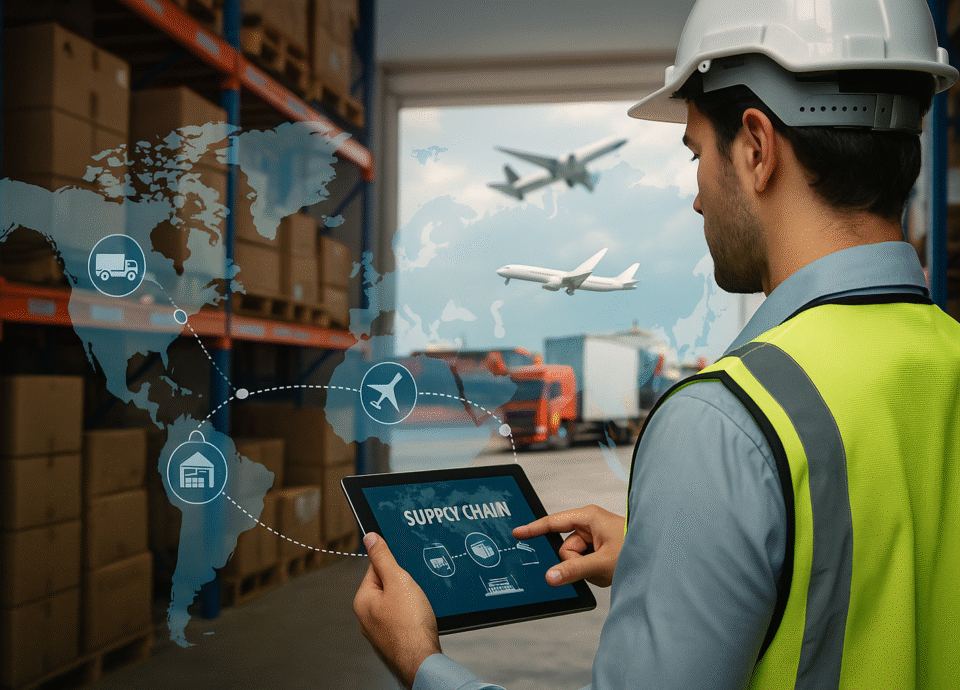
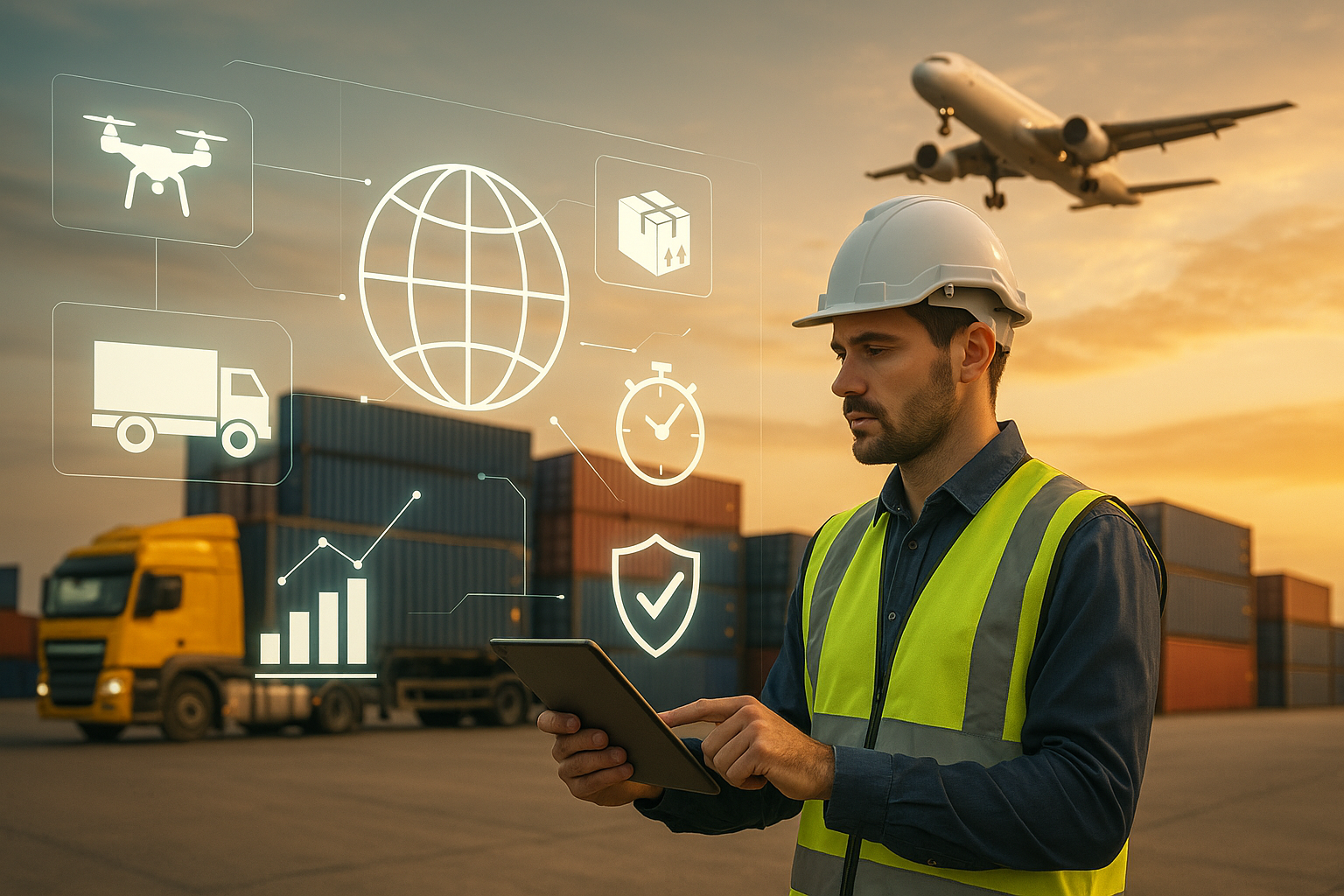
Introduction : As the global art market becomes more connected, the way masterpieces move across borders is undergoing a quiet revolution. The image above — a logistics expert using a digital tablet amidst containers, aircraft, and freight icons — captures the essence of this transformation.
Art logistics has evolved from manual coordination to a smart, data-driven ecosystem that ensures every sculpture, painting, and antique reaches its destination with precision and protection. This article explores how technology, data, and innovation are reshaping the fine art logistics landscape — where security meets sophistication, and preservation meets progress.
1. The Rise of Digital Art Logistics : Today’s art logistics isn’t just about moving cargo — it’s about real-time visibility and precision. Digital tracking platforms, IoT sensors, and automated documentation have replaced old spreadsheets and email trails.
Why it matters:
-
Real-time shipment monitoring through GPS and temperature sensors.
-
Cloud-based documentation ensuring transparency and compliance.
-
Instant alerts for humidity or vibration risks during transit.
Insight: Every artwork now travels with a digital footprint — a traceable journey that gives galleries and collectors peace of mind.
2. Smart Planning: From Studio to Showroom : Planning an art shipment is now a data-driven process. Before a single crate moves, logistics coordinators analyze route stability, temperature consistency, and air pressure variations.
Smart planning includes:
-
AI-assisted route mapping for optimal transit timing.
-
Digital risk assessment for fragile media (e.g., canvas, bronze, glass).
-
Predictive scheduling to sync air, road, and storage transitions seamlessly.
Pro Tip: Integrate your art management system (AMS) with your logistics provider’s dashboard — it ensures every movement, document, and update syncs automatically.
3. Digital Crating & Packaging Innovation : Packaging technology has caught up with digital logistics. Smart crates now come embedded with sensors that track microclimates, shock levels, and location data in real time.
Modern crate features:
-
Climate sensors and dataloggers with live reporting.
-
QR-coded inventory linked to digital condition reports.
-
Lightweight, recyclable materials that reduce carbon emissions.
Fun fact: Some high-end art shippers now use “adaptive crates” — containers that self-regulate humidity using phase-change materials.
4. The Role of AI & Automation in Art Transport : Automation isn’t replacing expertise — it’s enhancing it. AI tools help predict transit delays, automate customs forms, and monitor environmental stability across global hubs.
Applications in fine art logistics:
-
AI-driven customs documentation for faster clearance.
-
Predictive analytics for shipment risk scoring.
-
Automated alerts when artworks deviate from safe environmental parameters.
Example: One global art logistics firm reduced customs clearance times by 40% using AI-powered document verification.
5. Climate-Controlled Smart Storage : Once artworks reach storage facilities, technology ensures museum-grade care. Digital dashboards monitor every room, artwork, and environmental shift.
Smart storage features:
-
Real-time temperature and RH monitoring accessible remotely.
-
Automated air filtration and pest detection systems.
-
Integrated CCTV and biometric access linked to centralized data logs.
Best Practice: Pair digital monitoring with routine human inspection — technology amplifies protection but human judgment ensures precision.
6. Sustainability: Tech-Driven and Green : Art logistics is embracing sustainability without compromising safety. Smart routing and digital optimization reduce emissions and waste.
Eco-innovations in art transport:
-
AI-optimized routes to minimize empty return miles.
-
Reusable modular crates tracked digitally for re-circulation.
-
Solar-powered climate control in warehouses and mobile storage units.
Insight: Green logistics isn’t just about compliance — it’s about preserving the planet that inspires the art itself.
7. The Human Touch in a Digital World : Despite all the innovation, the human element remains irreplaceable. Trained art handlers, conservators, and logistics specialists are the real guardians of these treasures.
Their role in the digital era:
-
Interpreting sensor data and adjusting conditions in real time.
-
Overseeing installation with curatorial precision.
-
Maintaining accountability through transparent digital records.
Quote: “Technology tracks the artwork — but human expertise protects its soul.”
Conclusion : Fine art logistics has entered a new era — one where technology preserves creativity. From climate-controlled smart crates to AI-driven tracking, the industry now ensures that art travels as flawlessly as it was created.
In this digital renaissance of logistics, every crate tells a story — not just of what it carries, but of the innovation that makes its journey possible. Because when technology meets artistry, transport becomes an extension of creation itself.